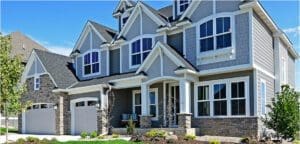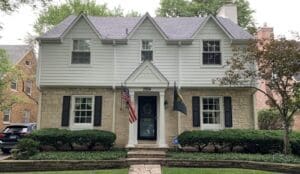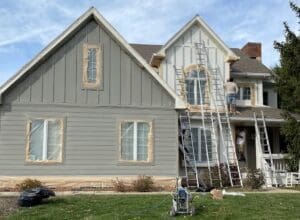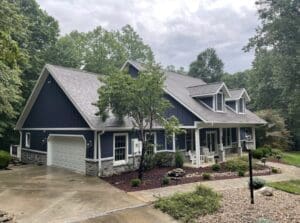

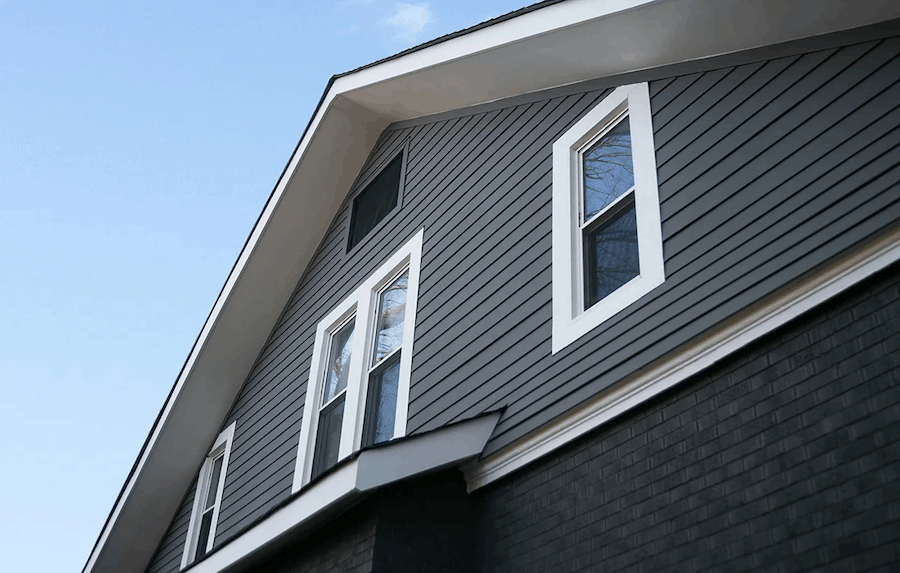
One of the most common questions homeowners ask when considering an exterior upgrade is simple: does new siding actually increase home value, or is it just a cosmetic improvement? The answer depends on the condition of the home, the materials involved, and how well the new exterior aligns with buyer expectations in the current market—but in many cases, siding replacement can play a major role in both curb appeal and resale performance.
At Aztec Homes Inc., we help homeowners across Central Indiana evaluate exterior upgrades with a focus on real-world value, not just appearance. As a James Hardie Elite Preferred Installer, our team has extensive experience working with siding systems that are designed for long-term durability, weather resistance, and strong market appeal. We’ve seen firsthand how the right siding choices can transform not only how a home looks, but how it is perceived by future buyers.
In this guide, we break down how new siding impacts home value, when it delivers the strongest return, and what homeowners should realistically expect when planning a siding replacement project.
Thinking about upgrading your siding? Call 317-769-3237 or contact us online to schedule a consultation and find out what new siding could mean for your home’s value and curb appeal.
What Actually Determines Home Value in Today’s Market
Home value is not determined by a single feature or upgrade. It is shaped by a combination of market conditions, property condition, location, and buyer perception. Appraisers and buyers evaluate both measurable data points, such as square footage and structural integrity, and less tangible factors like curb appeal, maintenance level, and overall presentation.
In most residential markets, home value is influenced by:
- Location and neighborhood demand
- Overall condition of major systems, including roof, siding, windows, and HVAC
- Comparable recent sales (“comps”) in the area
- Age, wear, and maintenance level of exterior materials
- Energy efficiency and estimated operating costs
- Curb appeal and first impression at the point of showing
While location and market demand are largely fixed, many of the remaining factors are directly affected by homeowner investment decisions, particularly exterior upgrades.
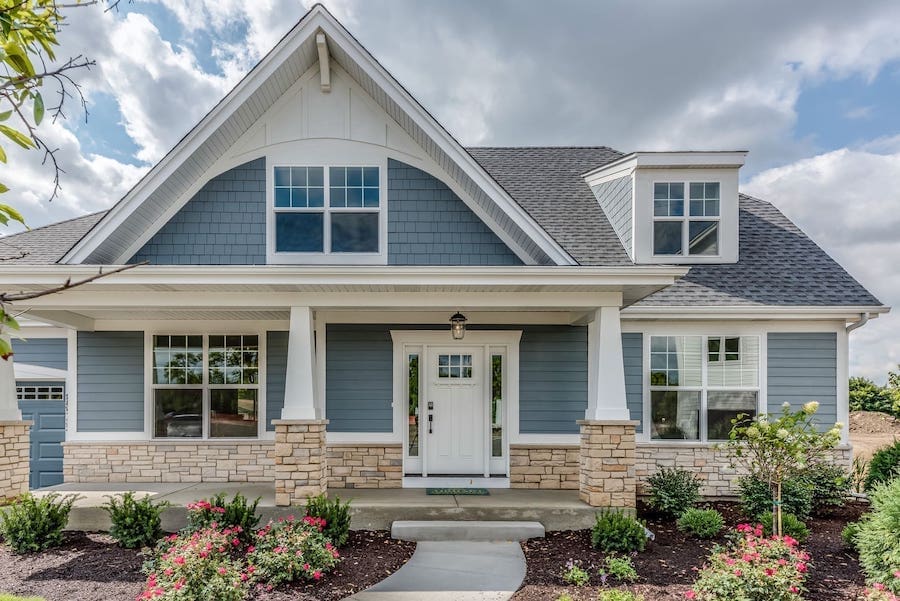
How New Siding Increases Home Value
New siding increases home value in three specific, measurable ways that affect both buyer behavior and overall market perception.
1. Stronger First Impressions
The exterior is the first element buyers evaluate, often within seconds of arriving at a property. When siding is faded, warped, or visibly aging, the assumption is often deferred maintenance and potential hidden costs.
Industry research consistently shows that curb appeal has a direct impact on buyer perception, showing activity, and final offer strength, especially in competitive or low-inventory markets. Homes with updated exteriors tend to generate more showing requests and stronger early engagement during listing periods.
2. Reduced Perceived Repair Risk
Siding replacement signals that a major exterior system has already been addressed, which reduces uncertainty for buyers.
Common buyer assumptions include:
- Minimized rot risk and moisture intrusion
- Lower near-term exterior maintenance costs
- Fewer unexpected repairs will appear after inspection
This reduction in perceived risk often increases willingness to pay, even when buyers are not assigning a specific dollar value to the siding itself. In many cases, it also reduces requests for price reductions or repair credits during negotiations.
3. Improved Building Envelope Performance
According to the U.S. Department of Energy, the building envelope plays a critical role in controlling moisture movement and supporting overall energy efficiency within a home.
When siding is properly installed and functioning as part of the exterior system, it can contribute to:
- Reduced air infiltration through exterior walls
- Improved resistance to moisture penetration
- More consistent indoor temperature regulation
- Lower strain on heating and cooling systems
While siding alone is not the sole driver of energy efficiency, it is a key component in how well the home’s exterior system performs as a whole.
Typical Return on Investment for New Siding
The return on investment (ROI) for siding replacement varies based on material type, installation quality, and local housing demand, but national remodeling data provides clear benchmarks for what homeowners can generally expect.
According to the 2025 Cost vs. Value Report (Zonda / Journal of Light Construction), exterior siding replacement continues to be one of the stronger-performing exterior upgrades in terms of resale return.
National ROI Benchmarks
- Fiber cement siding (e.g., James Hardie®): approximately 85%–90% ROI in many markets
- Vinyl siding: approximately 70%–85% ROI, depending on grade and region
- Higher-end or specialty exterior materials: ROI varies widely based on neighborhood and buyer demand
Important Reality Check on ROI
While ROI percentages are useful, they do not capture the full financial impact of new siding.
Most siding projects do not simply “return” a fixed percentage at resale. Instead, value is created through a combination of market advantages, including:
- Higher perceived listing value based on curb appeal
- Reduced need for buyer credits or repair concessions
- Faster time on market due to stronger first impressions
- Improved competitiveness in listing comparisons (“comps”)
In many cases, the biggest financial benefit comes not from direct cost recovery, but from how new siding strengthens buyer confidence and reduces negotiation pressure.
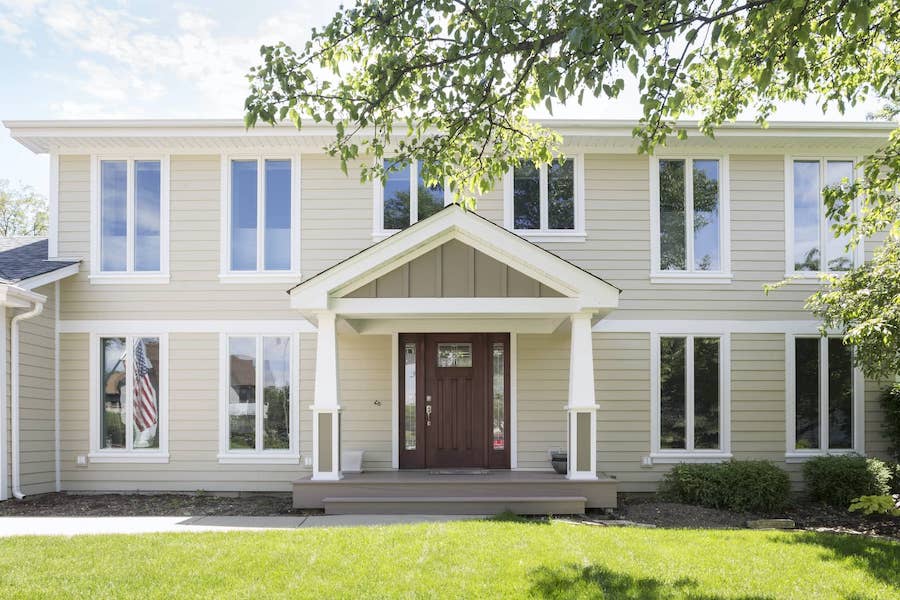
When New Siding Increases Home Value
New siding delivers the greatest impact on home value when it meaningfully corrects visible condition issues or brings the exterior in line with current market expectations.
High-Impact Situations
- The existing siding shows visible wear such as fading, cracking, warping, or uneven color
- Moisture-related concerns are present, including soft spots, staining, or signs of water intrusion
- The home’s exterior looks dated compared to nearby properties with newer finishes and materials
Why This Matters
In these scenarios, siding replacement is often viewed less as a cosmetic improvement and more as a necessary modernization of the home’s exterior envelope. Buyers tend to interpret these updates as evidence that major maintenance items have already been addressed.
As a result, the home is typically:
- Positioned more competitively against comparable listings
- Less likely to trigger repair requests during negotiations
- Perceived as lower risk from a maintenance standpoint
In short, siding adds the most value when it resolves visible concerns that would otherwise lower buyer confidence or create pricing pressure.
Does Siding Always Increase Value?
New siding does not increase home value in a simple dollar-for-dollar way.
Research and market data show that siding replacement can impact value in different ways depending on condition and location:
- Some projects recover a large portion of cost at resale, but not always all of it
- Many upgrades improve buyer interest more than final sale price
- Exterior improvements often reduce buyer objections rather than directly raising appraised value
What This Means in Practice
In most real estate transactions, siding replacement functions less like a direct price “add-on” and more like a market positioning upgrade.
That means it often:
- Helps a home compete more strongly against similar listings
- Reduces negotiation pressure tied to visible exterior wear
- Improves buyer confidence during early showings and inspections
- Strengthens perceived overall home condition
Key Takeaway
New siding is best understood as a value stabilizer and sales accelerator, not just a feature that increases price on paper. In many cases, its biggest impact comes from removing hesitation rather than adding a fixed dollar amount to the listing price.
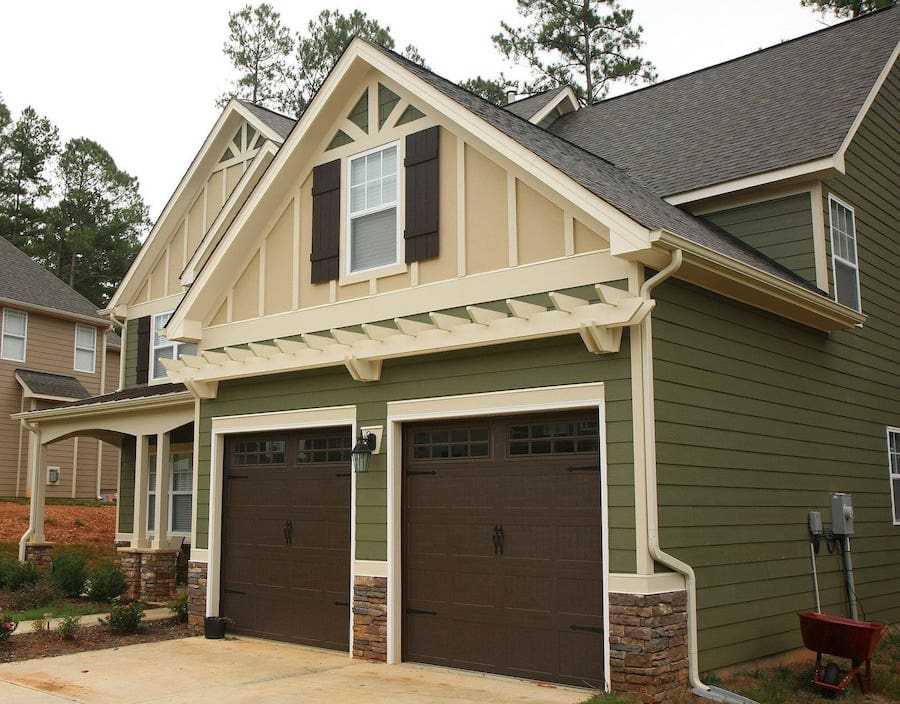
Material Choice Matters: Why James Hardie Prevails
Fiber cement siding, including James Hardie® products, is consistently recognized as one of the strongest-performing exterior materials for return on investment because it combines durability, longevity, and strong market appeal.
It delivers value through a combination of:
- Long service life with lower long-term replacement needs
- High resistance to moisture, wind, and temperature fluctuations
- Stable appearance that holds paint and finish longer than many alternatives
- Broad architectural compatibility across traditional, transitional, and modern homes
How Climate Factors In
Material performance is heavily influenced by regional climate conditions, which is one reason fiber cement performs especially well in areas with seasonal extremes.
In climates like Indiana, where homes regularly experience:
- Freeze-thaw cycles
- High humidity in warmer months
- Heavy rain and storm exposure
- Temperature swings between seasons
This environmental resilience helps reduce maintenance needs and supports more consistent long-term curb appeal, which is a key factor in both perceived value and resale performance.
Trusted Siding Solutions from Aztec Homes, Inc.
At Aztec Homes, Inc., we help homeowners make clear, confident decisions about their siding by evaluating what will actually improve both performance and long-term value. As a James Hardie Elite Preferred Installer, we bring specialized training in fiber cement systems and years of field experience working with homes across Central Indiana’s demanding weather conditions.
We do not rely on guesswork or one-size-fits-all recommendations. Every inspection is focused on understanding the home’s current condition and determining whether repair or replacement delivers the strongest long-term outcome.
Homeowners rely on us for:
- Honest assessments of siding condition and remaining lifespan
- Guidance on when repair is sufficient versus when replacement is more cost-effective
- Material and design recommendations that improve curb appeal and resale appeal
- Installation expertise aligned with James Hardie standards for durability and warranty protection
Our goal is simple: ensure every exterior decision supports a stronger, more durable, and more valuable home.
Upgrade Your Siding Today!
New siding can be one of the most effective ways to improve both the look and market performance of your home, but the real value comes from choosing the right material and knowing when replacement makes sense. When evaluated correctly, siding upgrades can strengthen curb appeal, reduce buyer concerns, and improve how your home competes in the market.
At Aztec Homes Inc., we help homeowners make that decision with clarity and confidence so every project delivers lasting value, not just a surface-level upgrade.
Upgrade your exterior to maximize long-term value. Call 317-769-3237 or contact us online to schedule your siding inspection and get expert guidance on the best next step for your home.
FAQ: Does New Siding Increase Home Value?
Yes, new siding can increase home value, but usually through a combination of stronger curb appeal, improved buyer perception, and reduced repair concerns rather than a direct dollar-for-dollar increase.
National remodeling data shows siding replacement typically returns a strong portion of its cost at resale. Fiber cement siding often performs in the 80%–90% ROI range, while vinyl siding generally falls around 70%–85% ROI, depending on market and installation quality.
Fiber cement siding, such as James Hardie® products, is often considered one of the strongest value contributors because it combines durability, low maintenance, and high curb appeal, which supports stronger buyer interest.
Not always directly. Appraisers focus on comparable sales and overall condition. However, new siding can positively influence value by improving the home’s condition rating and reducing adjustments for deferred maintenance.
Siding replacement has the greatest impact when existing materials are visibly worn, outdated, or damaged. In these cases, it helps reposition the home competitively against similar properties on the market.
In many cases, yes. New siding can improve showing performance, reduce buyer objections, and help the home sell faster, especially if the exterior currently shows visible wear.
Yes, indirectly. While siding is not insulation, it is part of the building envelope and can help reduce air and moisture infiltration when properly installed, contributing to overall efficiency and comfort.