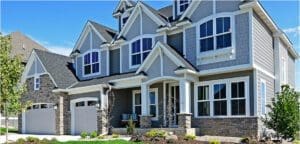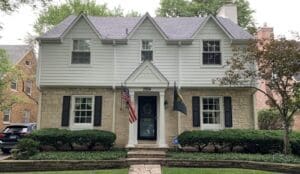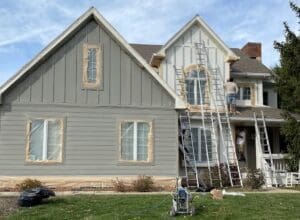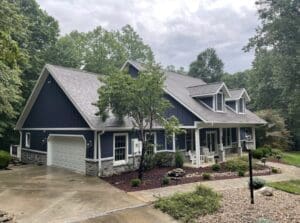

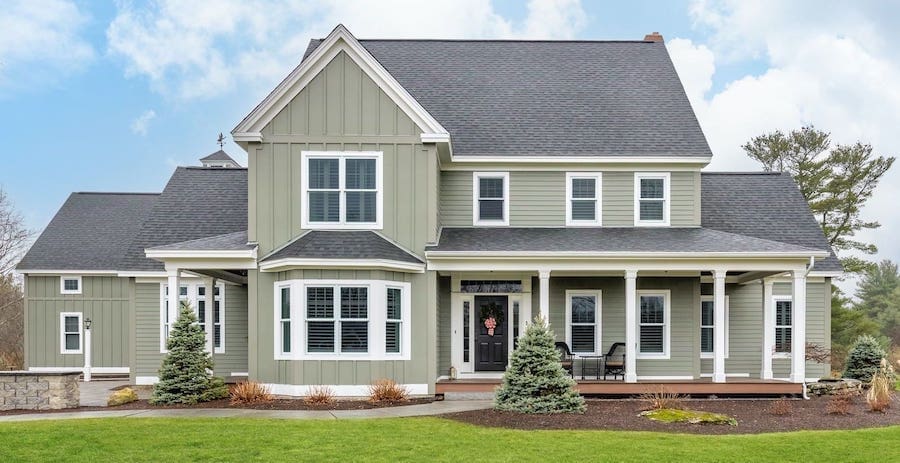
The right siding does more than protect a home. It changes the way the entire property feels from the street. The width of each board, the direction of the lines, the texture of the surface, and the way different profiles are layered together all shape the home’s overall character.
That’s part of what makes James Hardie® fiber cement siding so popular. Instead of being limited to a single look, homeowners can combine siding styles, textures, trim details, and accent areas to create a home that feels custom.
At Aztec Homes, Inc., we help homeowners navigate exterior design decisions with expert guidance, helping transform outdated or disconnected exteriors into cohesive, high-impact homes built for long-term curb appeal. In this guide, we’ll walk you through the essential James Hardie siding styles, giving you the insights you need to design the perfect home.
Ready to transform your home’s exterior with James Hardie siding? Call our team at 317-769-3237 or schedule your consultation online.
Why Exterior Composition Starts with Siding
Siding is a high-impact exterior upgrade that can completely transform a home. Beyond color, the siding profile, texture, and layout can define a home’s architectural character just as much as its base structural components.
Across a well-designed exterior, siding styles create proportion, rhythm, and visual balance. Light and shadow move differently across the façade, adding greater depth and dimension across the home’s exterior.
The siding style chosen can influence:
- Whether the exterior is perceived as modern, farmhouse-inspired, transitional, or classic
- How architectural details are highlighted
- The amount of texture and visual depth created across the façade
- Curb appeal and resale perception
One of the reasons James Hardie® siding is so widely chosen is the flexibility offered across its product lines. Multiple siding profiles and accent styles can be combined in a way that allows the exterior to feel layered, cohesive, and architecturally refined rather than flat or repetitive.
James Hardie Siding Styles Homeowners Love
HardiePlank® Lap Siding
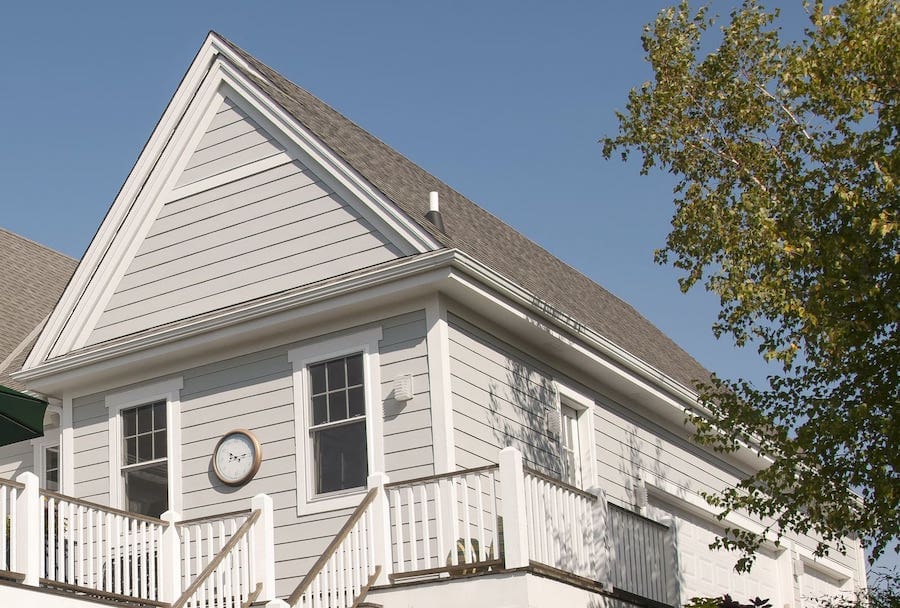
HardiePlank® lap siding remains the most recognizable and widely used James Hardie profile, largely because of its versatility across different architectural styles. Installed in overlapping horizontal courses, lap siding creates clean linear movement across the exterior while helping direct water away from the structure.
Lap siding is especially well suited for:
- Colonial homes, where symmetry and timeless proportions are emphasized
- Craftsman homes, particularly when paired with shingle accents and detailed trim
- Farmhouse and transitional homes, where cleaner horizontal lines create a more updated appearance
- Traditional suburban homes, where broad curb appeal and long-term versatility are priorities
Because of its flexibility and long-term visual appeal, HardiePlank lap siding is often considered one of the safest and most adaptable exterior design choices for homeowners looking to modernize their home without committing to short-lived trends.
HardiePanel® Vertical Siding
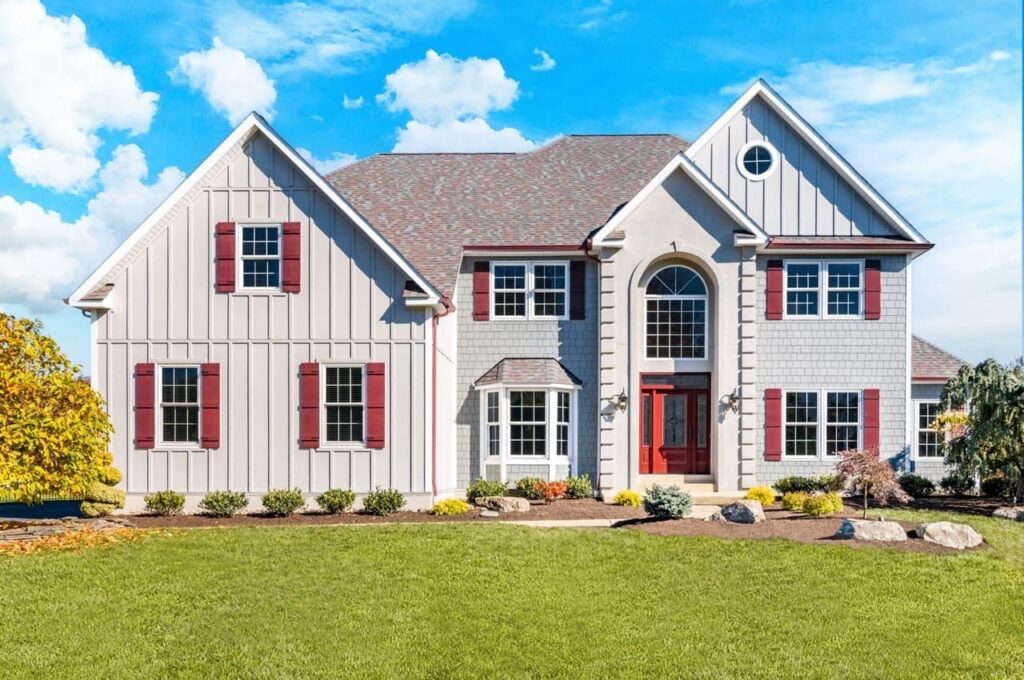
HardiePanel® vertical siding has become one of the most influential exterior design trends in recent years, particularly in homes that blend modern and traditional architectural elements. With its clean vertical orientation and larger panel layout, this style introduces stronger architectural lines and a more intentional, design-forward appearance.
When paired with battens, HardiePanel siding creates the popular board and batten look, a style widely used in modern farmhouse, transitional, and contemporary exterior design.
Vertical siding is especially well suited for:
- Modern farmhouse homes, where board and batten detailing creates contrast and texture
- Contemporary and transitional homes, where cleaner lines and minimalism are emphasized
- Accent areas, including entryways, gables, dormers, and second-story sections
- Older homes being modernized, where vertical siding can introduce contrast without completely changing the home’s character
One of the most popular approaches today is combining vertical siding with traditional lap siding on the same home. This layered composition allows homeowners to modernize the exterior selectively, often using vertical siding in upper gables or accent sections while maintaining the timeless balance of horizontal lap siding across the main façade.
HardieShingle® Siding
HardieShingle® siding captures the texture and character of traditional cedar shake siding while offering the durability and lower maintenance associated with fiber cement products.
Because of its smaller scale and textured appearance, shingle siding tends to create a softer, more detailed aesthetic than larger lap boards or vertical panels. It is frequently used to add dimension and craftsmanship-inspired character to homes that might otherwise feel flat or overly uniform.
HardieShingle siding is especially well suited for:
- Craftsman homes, where texture and architectural detailing are central to the design
- Cape Cod-style homes, where shake-style siding is part of the home’s traditional character
- Cottage and coastal-inspired exteriors, where softer textures create a more relaxed appearance
- Gables, dormers, and upper elevations, where accent siding helps create separation and depth
- Entryway features and focal points, where added texture draws attention naturally
Rather than covering the entire home in shingle siding, many homeowners use it selectively to highlight specific architectural areas and create a more balanced, layered exterior.
Smooth vs. Woodgrain Texture
One of the biggest visual differences in James Hardie siding comes down to texture. Homeowners can choose between smooth siding and Cedarmill® woodgrain siding, and the option selected can significantly change the final appearance of the home.
- Smooth siding has a flatter, cleaner surface that creates sharper lines and a more polished appearance. It is commonly used on contemporary homes, transitional exteriors, and modern farmhouse designs where a more refined look is desired.
- Woodgrain siding is designed to mimic the texture of painted wood and tends to create a softer, more traditional appearance. It is especially popular on Craftsman homes, cottages, and rustic-inspired exteriors.
Texture also affects how the siding interacts with other exterior features. Smooth finishes typically pair well with black windows, minimal trim, and modern color palettes, while woodgrain textures often work better with decorative trim, stone accents, and more traditional architectural details.
Mixing Siding Styles for a More Custom Exterior
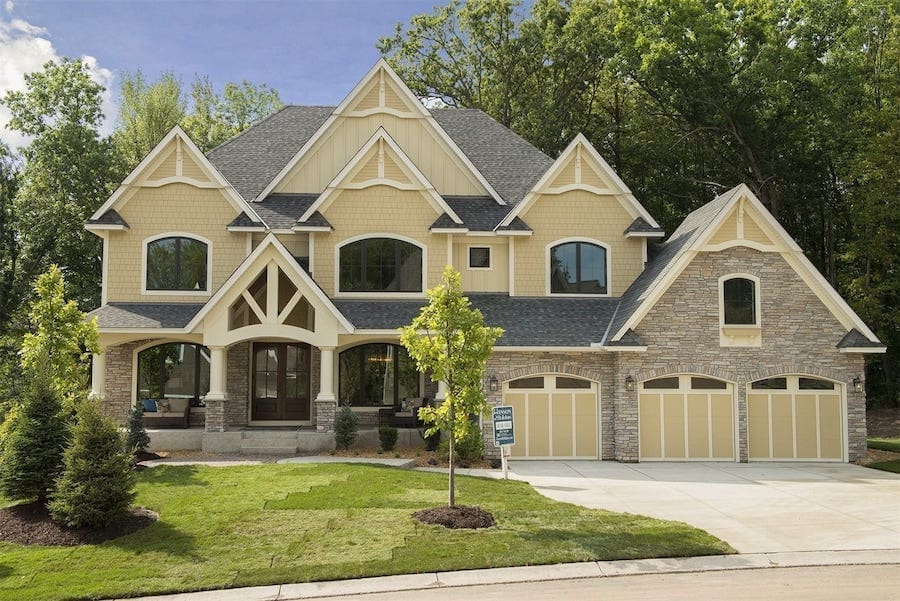
One of the biggest advantages of James Hardie siding is the flexibility to combine multiple profiles on the same home. Rather than using a single siding style across every surface, many homeowners now layer different textures and layouts to create a more architectural, custom-designed appearance.
Common combinations include:
- Lap siding across the main exterior walls
- Vertical board and batten siding in gables or upper elevations
- Decorative shingle accents near roof peaks or dormers
- Contrasting trim boards around windows, corners, and entryways
When balanced correctly, mixed siding profiles can make a home feel far more refined and custom than a flat exterior finished in a single material alone. The key is maintaining consistency in proportion, texture, and color so the different elements complement each other rather than compete visually.
Why Homeowners Choose Aztec Homes
At Aztec Homes Inc., we help homeowners across Central Indiana transform and protect their exteriors with siding systems designed for durability, weather resistance, and long-term curb appeal.
As a James Hardie Elite Preferred Installer, we bring advanced product knowledge and extensive hands-on experience with fiber cement siding systems. We guide homeowners through clear comparisons of styles, textures, and design combinations so each decision supports both visual goals and long-term performance.
Every project is evaluated individually based on the home’s architecture, existing exterior conditions, and performance needs. This ensures the final result is cohesive in design and built for long-term durability, not just short-term appearance.
Upgrade Your Siding Today
The most effective siding choice is not the most popular or trend-driven option. It is the one that works with your home’s architecture, supports your long-term maintenance goals, and creates a balanced exterior that continues to feel intentional and well-designed over time.
James Hardie siding provides the flexibility needed to achieve that level of design control. With a range of profiles and combinations, homeowners can shape their exterior with precision, whether the goal is subtle refinement, stronger architectural contrast, or a fully reimagined façade.
At Aztec Homes Inc., we help homeowners make these decisions with confidence. From comparing siding styles to understanding how different combinations will look on your specific home, we provide the guidance needed to ensure the final design is both visually strong and structurally appropriate.
Ready to explore the right James Hardie siding styles for your home? Call 317-769-3237 or contact us online today to schedule your consultation and connect with our experts.
FAQ: James Hardie Siding Styles
James Hardie® fiber cement siding is designed to combine design flexibility with long-term durability. Unlike vinyl or wood siding, it is engineered to resist moisture, warping, and many common weather-related issues while still offering a wide range of architectural styles and textures.
HardiePlank® lap siding is the most commonly used style due to its versatility. It works well with nearly all home types, including traditional, farmhouse, ranch, and transitional designs, and provides a timeless appearance that rarely goes out of style.
Yes. Many homeowners combine multiple profiles, such as lap siding, board and batten, and shingle accents. When designed correctly, these combinations add depth, contrast, and architectural interest without making the exterior feel cluttered.
Smooth siding creates a cleaner, more modern look with sharper lines, while woodgrain textures (such as Cedarmill®) create a more traditional, natural wood appearance. The right choice depends on the home’s architectural style and overall design goals.
Yes. Siding style plays a major role in curb appeal, which directly influences perceived home value. A well-designed exterior with balanced siding profiles can improve resale appeal and make a home more attractive to buyers.
The best approach is to consider your home’s architecture, surrounding neighborhood style, and long-term design goals. Professional guidance can help ensure the siding layout feels cohesive and complements the structure rather than competing with it.
Yes. At Aztec Homes, homeowners receive guidance on siding style selection, design combinations, and installation planning to ensure the final exterior is both visually cohesive and built for long-term performance.