
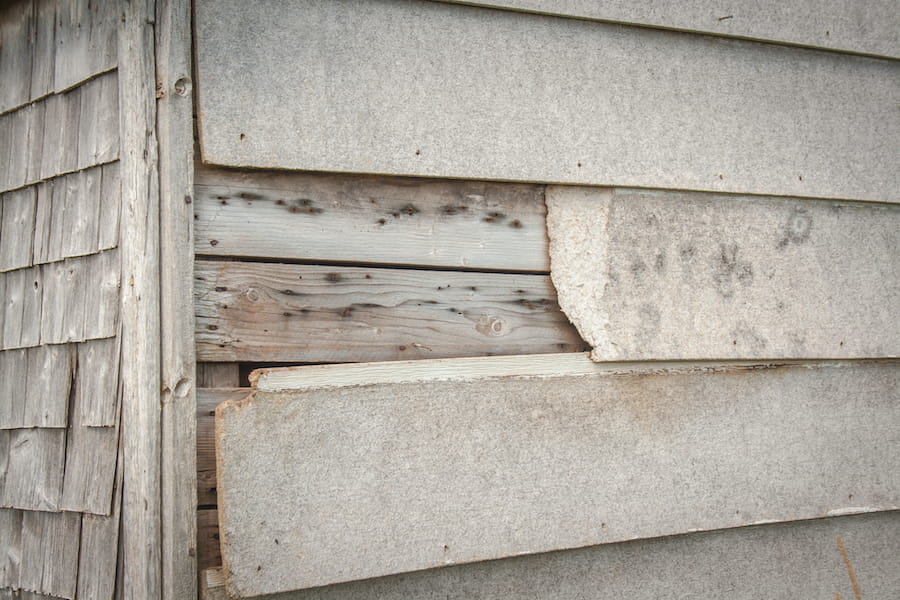
Most homeowners do not think much about their siding until something starts looking noticeably wrong. Maybe a section begins to warp after a heavy Indiana storm, paint starts peeling near the windows, or energy bills slowly climb without an obvious explanation.
What looks like a minor crack or loose panel can eventually allow moisture to reach the structure beneath the siding, leading to mold, wood rot, insulation damage, and costly exterior repairs. Catching these warning signs early can help homeowners avoid far more extensive problems later.
At Aztec Homes Inc., we have helped homeowners throughout Central Indiana protect and upgrade their exteriors since 2004. Our team specializes in identifying hidden siding damage, evaluating whether siding repair or replacement makes the most sense, and installing durable siding systems built to handle Indiana weather while improving curb appeal.
Take a proactive approach to protecting your home’s exterior. If you suspect your home has siding damage, call 317-769-3237 or contact us online to schedule a professional siding inspection.
How Small Siding Problems Become Bigger Repairs
In climates where homes experience heavy rain, humidity, freezing temperatures, and seasonal storms, siding systems are constantly expanding, contracting, and exposed to moisture. Over time, that wear can create openings that allow water intrusion and hidden deterioration to develop beneath the surface.
Once moisture gets behind the siding, it can gradually affect:
- Insulation and energy efficiency
- Wall framing and structural materials
- Interior drywall and paint
- Trim boards and exterior seams
- Areas vulnerable to mold, mildew, and wood rot
What starts as minor siding damage can eventually lead to widespread exterior and interior repairs if the problem is not identified early.
Common Signs of Siding Damage
Some siding damage is obvious right away, while other problems develop slowly and become more noticeable over time. Identifying these warning signs early can help homeowners prevent moisture intrusion, structural deterioration, and more expensive exterior repairs later.
Visible Cracks, Gaps, or Holes
Cracked or separated siding panels can allow water and pests to penetrate behind the exterior surface.
Look for:
- Cracks along panel edges
- Open seams or gaps
- Holes from impact damage
- Sections pulling away from the home
These issues may seem minor at first, but over time they can allow moisture intrusion that damages insulation, framing, and interior walls.
Warping or Buckling Siding
Siding that appears uneven or distorted often points to moisture problems, heat exposure, or installation issues.
Common warning signs include:
- Panels that appear uneven or bowed
- Rippling sections along exterior walls
- Siding that no longer sits flush against the home
Warping may signal that moisture has already reached materials beneath the siding surface.
Fading or Discoloration
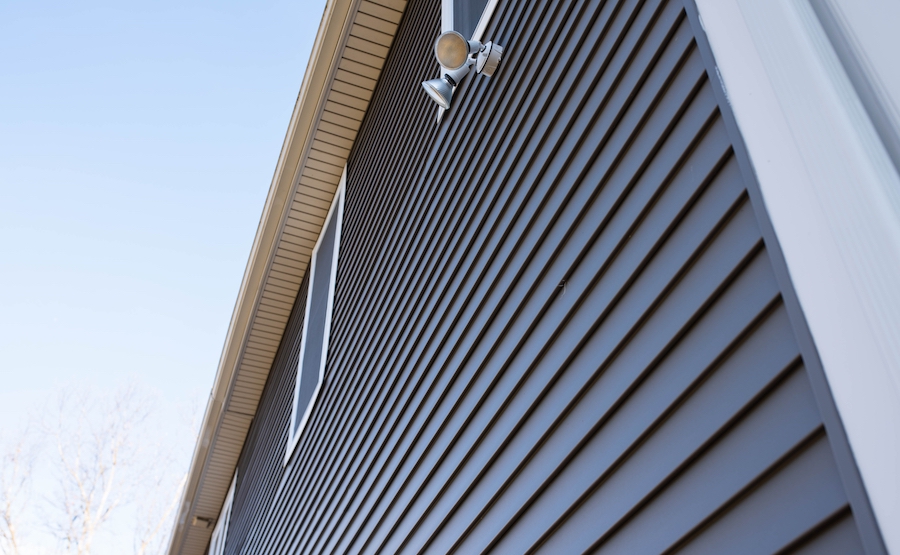
While some color fading is expected over time, uneven discoloration can signal material breakdown or prolonged weather exposure.
Watch for:
- Uneven color changes
- Streaking or staining
- Areas with excessive sun exposure damage
In some cases, fading may indicate the siding is losing its protective performance and nearing the end of its lifespan.
Peeling Paint or Interior Moisture Problems
Exterior siding issues can sometimes appear inside the home before damage becomes fully visible outdoors.
Potential signs include:
- Peeling interior paint
- Water stains on walls
- Mold or mildew odors
- Bubbling drywall near exterior walls
These symptoms may indicate moisture intrusion behind the siding system.
Mold, Mildew, or Rot
Moisture trapped behind siding can eventually create conditions for mold growth and wood rot.
Common indicators:
- Green or dark staining on siding
- Soft or deteriorating trim boards
- Visible mold or mildew growth
- Rotting wood near seams or corners
These issues should be inspected quickly to prevent more extensive structural damage.
Storm and Weather Damage to Siding
In regions exposed to strong storms, hail, wind, and seasonal temperature swings, siding damage can develop faster than many homeowners realize.
High winds may loosen panels or trim, while hail can crack or dent siding surfaces. Heavy moisture exposure can also accelerate deterioration around seams and vulnerable areas.
After major storms, check for:
- Loose or detached siding panels
- Cracks from hail impact
- Damaged trim boards
- Moisture stains near exterior walls
- Debris impact damage
Even if damage appears minor, hidden moisture intrusion may still develop behind the siding. If you suspect your siding is compromised, you should schedule a professional inspection immediately.
When Siding Repair May Be Enough
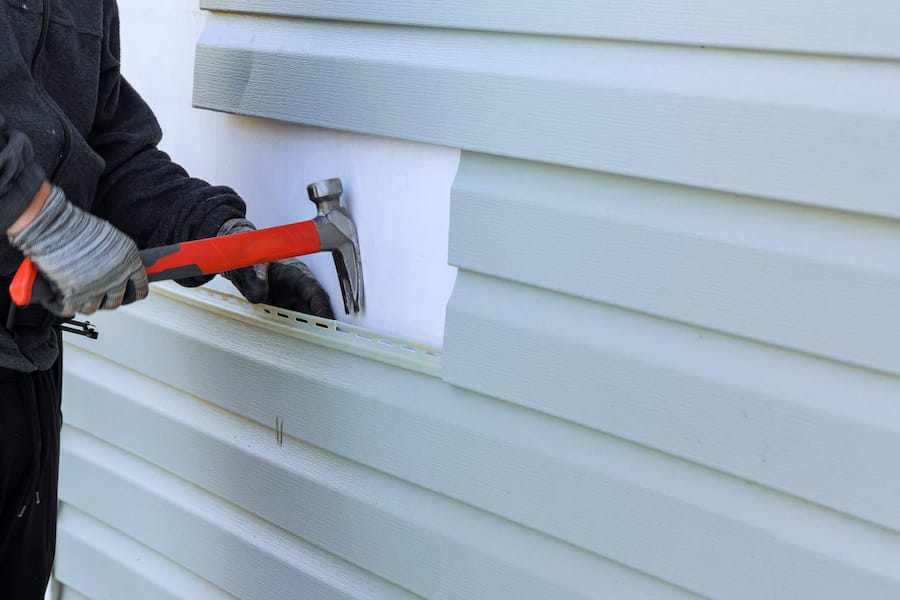
Not all siding damage requires full replacement. In many cases, localized problems can be repaired before they spread and compromise larger sections of the exterior. Addressing minor issues early can help restore protection, maintain curb appeal, and extend the lifespan of the existing siding system.
Siding repair may be appropriate for:
- Small cracks or holes
- Limited storm damage
- Minor trim deterioration
- A few loose siding panels
Repairs are typically most effective when the majority of the siding system is still structurally sound and performing properly.
Signs It May Be Time for Full Siding Replacement
While minor issues can sometimes be repaired, widespread or recurring siding problems often indicate deeper deterioration beneath the surface. In these situations, replacement is usually the more effective long-term solution for protecting the home and preventing ongoing repair costs.
Common signs siding replacement may be needed:
- Repeated moisture issues
- Extensive warping or deterioration
- Widespread cracking or panel failure
- Rot beneath siding materials
- Significant fading or aging
- Rising energy efficiency concerns
When siding begins to fail across multiple areas of the home, repairs may only provide temporary improvement while hidden moisture and structural issues continue to spread.
Choosing Durable Siding for Long-Term Protection
If siding replacement becomes necessary, material quality plays a major role in how well the new exterior performs over time. In climates like Central Indiana, siding must withstand moisture, seasonal temperature swings, wind, humidity, and long-term weather exposure without deteriorating prematurely.
That is why many homeowners choose James Hardie® fiber cement siding for its combination of durability, moisture resistance, and lasting curb appeal. Fiber cement siding is designed to resist many of the problems that commonly affect aging siding systems, including warping, cracking, rot, and weather-related deterioration.
How Experts Identify Hidden Siding Damage
Not all siding damage is visible from the ground. In many cases, moisture intrusion and deterioration begin behind the siding long before homeowners notice obvious warning signs on the exterior.
During a professional inspection, experts look for subtle indicators that may point to deeper problems within the siding system or wall structure.
Professional evaluations can help identify:
- Trapped moisture behind siding panels
- Soft spots or hidden wood rot
- Loose areas caused by storm or weather damage
- Failing seams, trim, or flashing details
- Early signs of structural deterioration
- Areas where repair may no longer be sufficient
These inspections help homeowners understand whether damage is isolated or part of a larger issue developing beneath the surface, allowing problems to be addressed before they become more extensive and expensive to repair.
Why Homeowners Choose Aztec
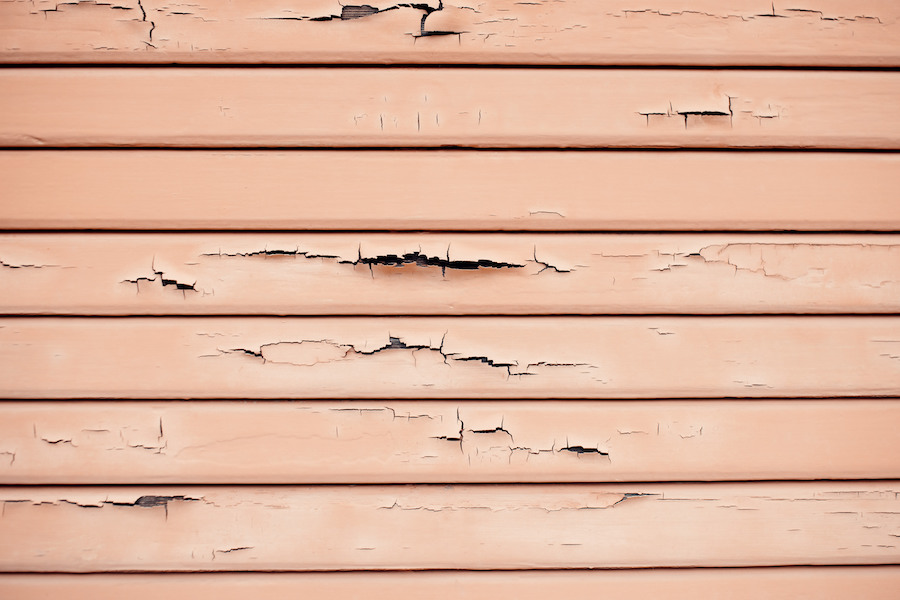
Since 2004, Aztec Homes, Inc. has helped Central Indiana homeowners protect and upgrade their exteriors with durable siding systems built for long-term performance and curb appeal. Our team brings extensive experience in identifying siding damage and installing high-quality exterior solutions designed for Indiana’s weather conditions.
We have strong expertise in James Hardie® fiber cement siding, known for its durability, moisture resistance, and lasting appearance. From inspections to full replacements, we help homeowners choose siding that fits their home’s design and long-term maintenance needs.
Don’t Wait: Catch Siding Damage Early
Small siding issues rarely stay small. What begins as a hairline crack, loose panel, or minor moisture stain can gradually develop into hidden structural damage, insulation problems, and interior water intrusion.
At Aztec Homes Inc., we help homeowners identify these issues early so small concerns don’t turn into major exterior repairs.
Catch siding damage before it gets worse. Call our team at 317-769-3237 or contact us online to schedule a professional siding inspection.
FAQ: How to Identify Siding Damage
Common signs include cracks, warping, loose panels, fading, moisture stains, and visible mold or rot. Interior signs like peeling paint or water stains may also indicate hidden exterior damage.
Siding damage can appear as separated seams, buckling panels, discoloration, or areas that no longer sit flush against the home. Storm impact and moisture intrusion are also common causes.
Yes. Even minor cracks or gaps can allow moisture behind the siding, leading to insulation damage, wood rot, and structural deterioration over time.
Common causes include severe weather, hail, wind, moisture exposure, poor installation, age, and temperature fluctuations that cause expansion and contraction.
No. Some of the most serious issues develop behind the siding and may not be visible until interior damage or moisture problems appear.
Repairs may be appropriate when damage is isolated, such as a few cracked panels or minor storm impact, and the rest of the siding system is still in good condition.
Replacement is often needed when there is widespread damage, recurring moisture issues, warping, rot, or when the siding is nearing the end of its lifespan.
Not always. Minor storm damage may be repairable, but extensive impact, hidden moisture intrusion, or widespread failure may require replacement.
It is recommended to inspect siding annually and after major storms to catch early signs of damage before they worsen.