
When it comes to upgrading your home’s exterior, siding is one of the most important investments you can make. It protects your home from the elements, improves energy efficiency, and plays a major role in curb appeal. One of the first decisions homeowners face is whether to choose vertical siding or horizontal siding.
At Aztec Homes, we help homeowners in the Greater Indianapolis area navigate these decisions every day. While both siding orientations offer unique advantages, the right choice depends on your home’s style, your budget, and how you want your property to perform over time.
In this guide, we take a deep dive into vertical vs horizontal siding so you can confidently choose the best option for your home.
What Is the Difference Between Vertical and Horizontal Siding?
The main difference between vertical and horizontal siding is the direction in which the panels are installed.
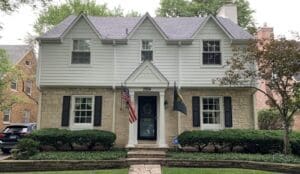
Horizontal siding runs from left to right across your home. This is the most common siding style in the United States and is often referred to as lap siding. It creates a layered appearance that has been used for decades across a wide range of home styles.
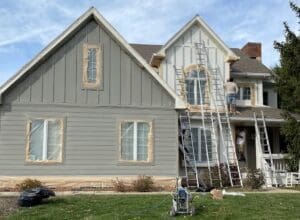
Vertical siding runs from top to bottom. Instead of overlapping boards, vertical panels are installed upright, often with battens or seams that create a more structured and modern look.
While the orientation might seem like a simple visual difference, it affects installation methods, durability, maintenance needs, and overall cost.
Installation Process and Complexity
One of the biggest differences between vertical vs horizontal siding comes down to how each type is installed.
Horizontal siding is generally more straightforward. Contractors install it directly onto the home’s exterior sheathing, with each row overlapping the one below it. This overlapping design naturally helps shed water and makes the installation process quicker and more efficient.
Vertical siding requires an extra step. Before the siding panels can be installed, contractors must add furring strips or a framework to create a flat surface for attachment. This added layer ensures proper alignment and ventilation, but it also increases labor time and material costs.
Because of this difference, horizontal siding is typically faster to install and more widely available among contractors. Vertical siding, while not uncommon, requires a higher level of precision and experience to install correctly.
Cost Considerations
Budget plays a major role in any home improvement project, and siding is no exception.
Horizontal siding is usually the more affordable option. Its simpler installation process reduces labor costs, and the materials are often more readily available. This makes it a popular choice for homeowners looking to balance performance with affordability.
Vertical siding tends to cost more. The need for additional framing, longer installation time, and sometimes more specialized labor can increase the total project cost. On average, homeowners can expect vertical siding to cost anywhere from 10 percent to 25 percent more than horizontal siding, depending on the material used.
That said, cost should not be the only factor. The long term value, maintenance requirements, and aesthetic impact should also be part of your decision.
Visual Appeal and Design Flexibility
The orientation of your siding has a significant impact on how your home looks.
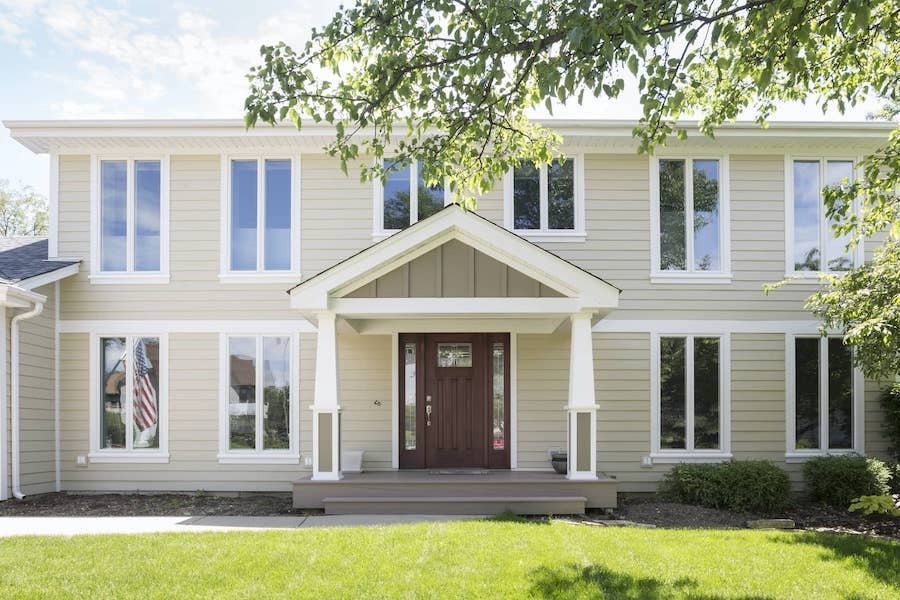
Horizontal siding offers a classic, timeless appearance. It works well with traditional architectural styles such as colonial, craftsman, and ranch homes. Because it is so widely used, it tends to blend seamlessly into most neighborhoods and appeals to a broad range of buyers.
Vertical siding, on the other hand, creates a bold and modern look. It draws the eye upward, which can make your home appear taller and more striking. This makes it especially popular for contemporary designs and modern farmhouses.
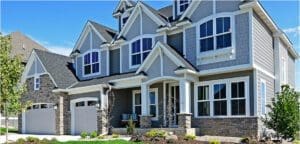
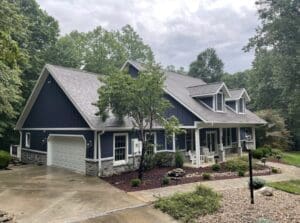
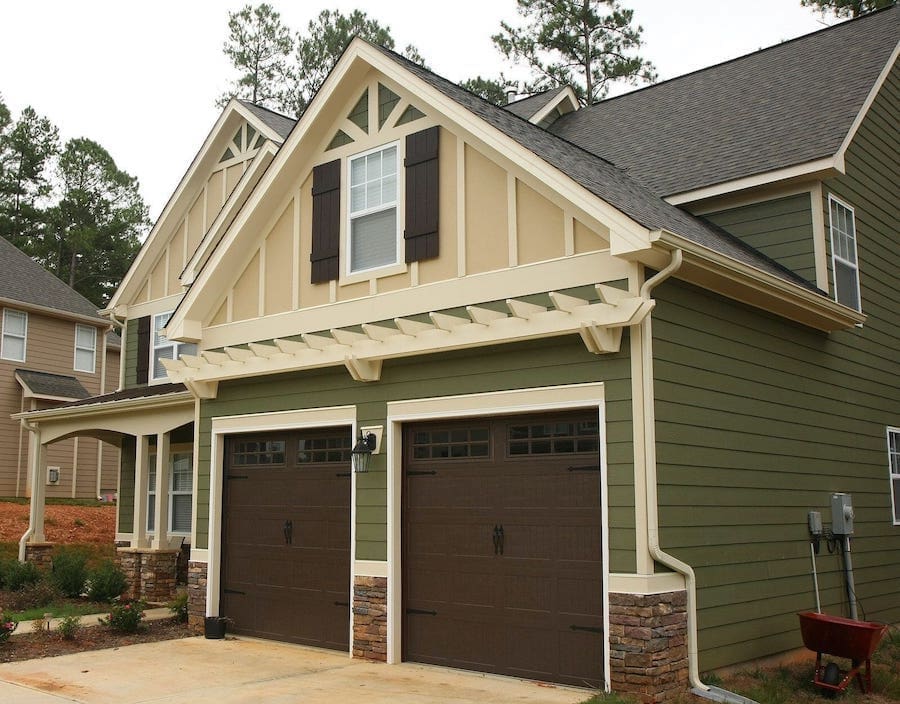
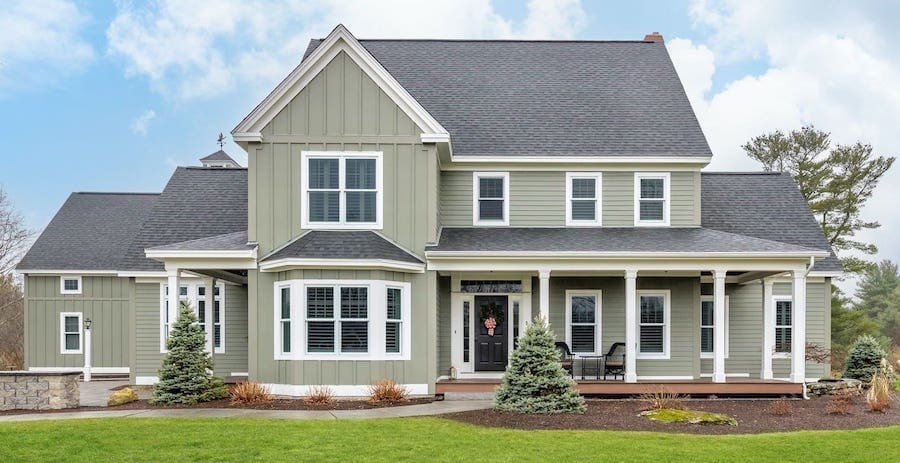
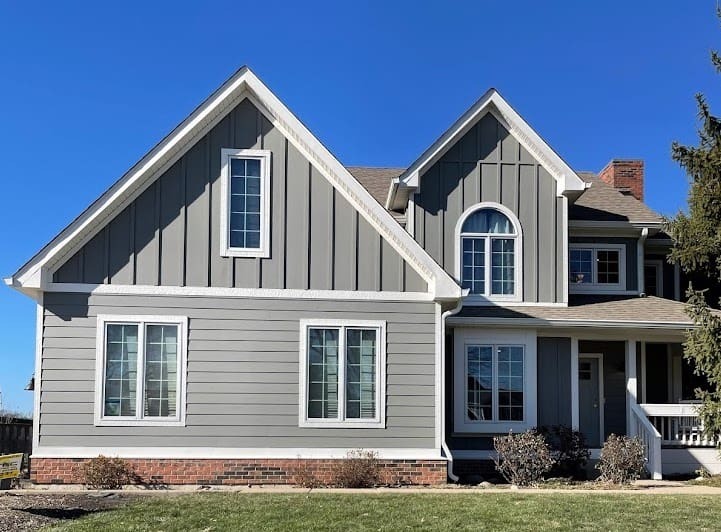
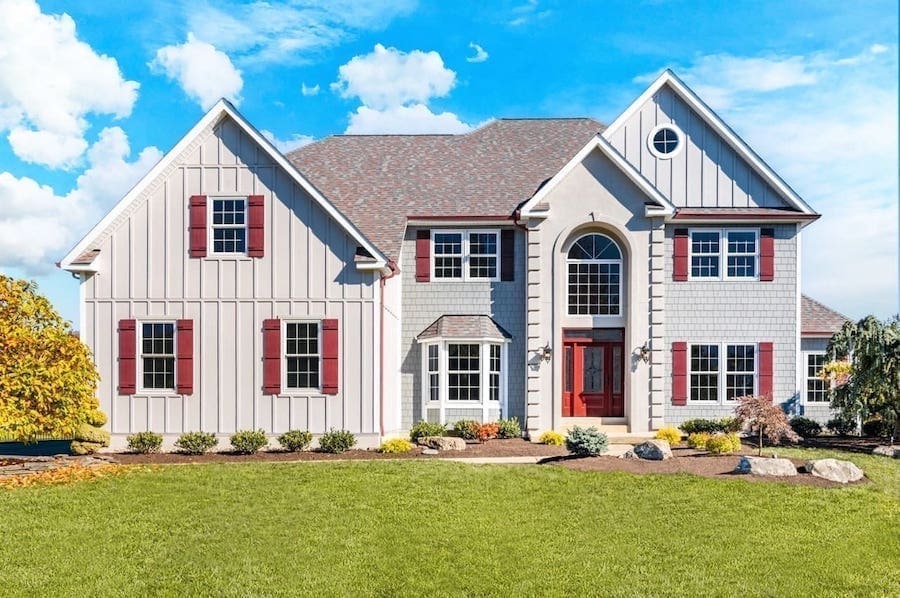
Many homeowners are now combining both styles to create a custom exterior. For example, horizontal siding may be used on the main body of the home, while vertical siding is added to gables, dormers, or entryways for contrast. This mixed approach adds depth and visual interest without overwhelming the design.
Weather Resistance and Moisture Management
Your siding’s ability to handle moisture is critical, especially in regions that experience heavy rain, humidity, or seasonal storms.
Horizontal siding is designed with overlapping boards that help direct water downward. However, these overlaps can sometimes trap moisture if the siding is not installed or maintained properly. Over time, trapped moisture can lead to mold, mildew, or even structural damage, requiring siding repairs.
Vertical siding allows water to flow straight down along the panels. This reduces the likelihood of moisture buildup and can improve overall water management. For homes in wetter climates, this can be a meaningful advantage.
Regardless of the orientation you choose, proper installation is key. Flashing, sealing, and ventilation all play a role in keeping moisture out of your home.
Durability and Longevity
Both vertical and horizontal siding can last for decades, but their performance can vary based on exposure and maintenance.
Horizontal siding is more prone to wear at the seams where boards overlap. These areas can collect water, dirt, and debris, which may lead to faster deterioration over time if not properly maintained.
Vertical siding typically experiences less moisture buildup because water flows downward more easily. This can help extend the lifespan of certain materials, especially wood or engineered siding products.
However, it is important to note that durability depends heavily on the material you choose. Fiber cement (like James Hardie), vinyl, and engineered wood all perform differently, regardless of whether they are installed vertically or horizontally.
Maintenance Requirements
Maintenance is another area where vertical vs horizontal siding differs.
Horizontal siding tends to collect dirt and debris along its seams. This can make cleaning siding more time consuming and may require more frequent maintenance to keep it looking its best.
Vertical siding is generally easier to clean. Since there are fewer horizontal surfaces for debris to settle on, rainwater naturally helps wash away dirt. This can reduce the amount of manual cleaning required over time.
For homeowners looking for a lower maintenance option, vertical siding may offer a slight advantage.
Energy Efficiency and Insulation
Siding orientation does not directly determine energy efficiency, but it can influence how well your siding system performs.
Horizontal siding is easier to integrate with standard insulation systems. Its straightforward installation makes it simpler to create a tight, consistent barrier against air and moisture.
Vertical siding requires more careful installation to achieve the same level of performance. The added framework must be properly sealed and insulated to prevent air leaks and moisture intrusion.
When installed correctly by experienced professionals like Aztec Homes, both options can provide excellent energy efficiency and help reduce heating and cooling costs.
Architectural Compatibility
Your home’s architectural style can play a major role in your siding decision.
Horizontal siding is ideal for:
- Traditional homes
- Colonial and craftsman styles
- Ranch and suburban designs
Vertical siding is often used for:
- Modern and contemporary homes
- Farmhouse style properties
- Accent areas like gables and entryways
If you are unsure which direction to go, a combination of both styles can offer the best of both worlds.
Pros and Cons of Horizontal Siding
Horizontal siding remains the most popular choice for a reason. It offers a balance of affordability, versatility, and classic design.
It is easier to install, making it more budget friendly for many homeowners. Its widespread use also means it is readily available and familiar to most contractors. However, it does require more attention when it comes to cleaning and maintenance, especially in areas where dirt and moisture can collect.
Pros and Cons of Vertical Siding
Vertical siding stands out for its modern appearance and practical benefits.
It provides excellent water drainage, which can help protect your home in wet climates. It is also easier to clean and can create a striking visual effect that sets your home apart. On the downside, it typically costs more and requires a more complex installation process.
Which Option Is Right for You?
Choosing between vertical vs horizontal siding ultimately comes down to your priorities.
If you are looking for a cost effective, traditional option that works well in most neighborhoods, horizontal siding is a safe and reliable choice.
If you want a modern, eye catching design with potential maintenance advantages, vertical siding may be the better fit.
Many homeowners are now opting for a hybrid approach, combining both styles to create a unique and balanced exterior.
Why Homeowners Trust Aztec Homes
At Aztec Homes, we understand that siding is more than just an exterior upgrade. It is an investment in your home’s future. Our team works closely with homeowners to recommend the best siding solutions based on style, budget, and long term performance.
From helping you choose between vertical and horizontal siding to ensuring expert installation, we are committed to delivering results that last. Visit us online or call 317-769-3237 to schedule your free quote!
FAQ: Vertical vs Horizontal Siding: Choose the Best for Your Home
Q: Is vertical siding more expensive than horizontal siding?
Yes, vertical siding typically costs more due to additional materials and labor required for installation.
Q: Does vertical siding last longer?
It can last longer in certain conditions because it sheds water more efficiently, but overall lifespan depends on material and installation quality.
Q: Can you mix vertical and horizontal siding?
Yes, combining both styles is a popular design choice that adds visual interest and dimension to your home.
Q: Which siding is easier to maintain?
Vertical siding is generally easier to clean because it does not collect as much dirt and debris.
Q: Which siding style is more popular?
Horizontal siding remains the most common choice due to its traditional look and affordability.