
How to Repair James Hardie Siding: A Homeowner’s Guide to Fixing Fiber Cement Damage
Aztec Homes understands that James Hardie siding is one of the most durable and long-lasting siding products available today. Its fiber cement construction is designed to withstand harsh weather, resist pests, and provide decades of protection for your home. However, even premium siding can occasionally experience damage from impacts, improper installation, severe weather, or normal wear over time.
If you’re searching for how to repair James Hardie siding, it’s important to understand that the repair process depends on the type and severity of the damage. Small cracks, holes, and localized issues can often be repaired, while larger damaged sections may require panel replacement. Knowing the difference can help protect your home’s appearance and prevent moisture intrusion that could lead to more costly problems.
In this guide, we’ll explain common types of James Hardie siding damage, how repairs are performed, when replacement is necessary, and how to keep your siding looking its best for years to come.
Understanding James Hardie Fiber Cement Siding
James Hardie siding is made from a combination of cement, sand, cellulose fibers, and water. This composition creates a durable exterior product that offers several advantages over traditional wood siding.
Benefits of James Hardie siding include:
- Resistance to rot and moisture damage
- Non-combustible material that will not ignite when exposed to direct flame
- Resistance to termites and many other pests
- Excellent durability against changing weather conditions
- Long-lasting factory-applied finishes
- Attractive appearance with multiple styles and colors available
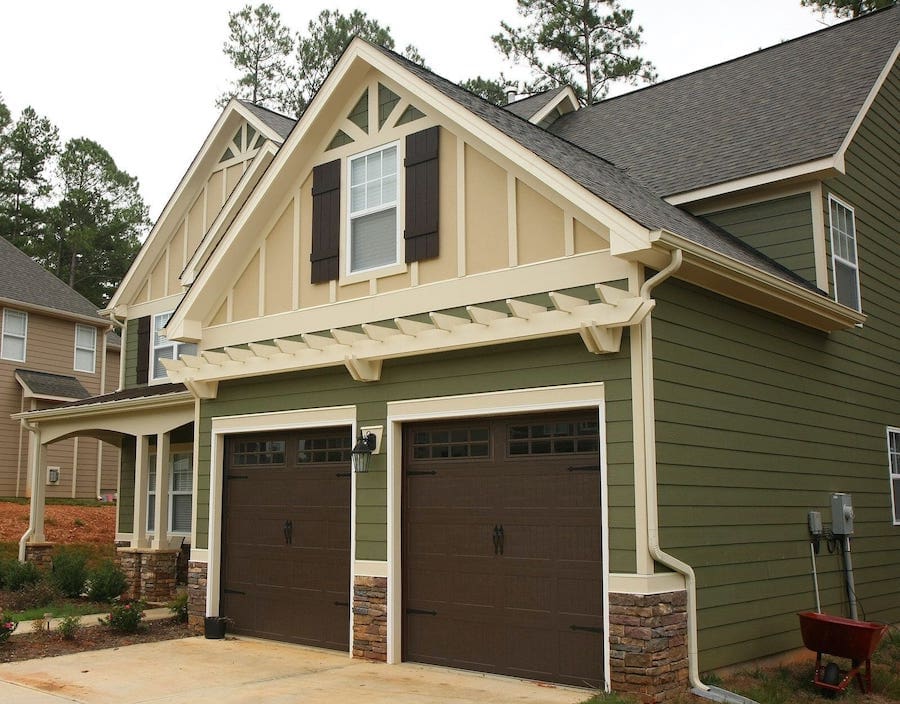
While fiber cement siding is extremely durable, it is not indestructible. Impact damage from hail, falling branches, lawn equipment, or accidental contact can sometimes cause cracks, chips, or holes that require attention.
Common Types of James Hardie Siding Damage
Before discussing how to repair James Hardie siding, it’s helpful to understand the most common forms of damage homeowners encounter.
Cracks
Cracks can occur due to:
- Impact from debris
- Falling tree limbs
- Extreme force from hailstorms
- Improper installation
- Structural movement in rare cases
Small cracks may appear cosmetic at first, but they can allow moisture to penetrate behind the siding if left untreated. Depending on what caused the damage, you may be able to use homeowners insurance to cover the damage.
Chips and Surface Damage
Minor chips often occur from:
- Lawn equipment throwing rocks
- Accidental impacts
- Construction activities near the home
These areas can expose the underlying material and may require patching and repainting.
Holes
Larger impacts may create holes in the siding surface. Common causes include:
- Storm debris
- Fallen branches
- Accidents involving ladders or tools
Depending on the size of the hole, patching or full board replacement may be necessary.
Loose or Damaged Boards
Improper installation or severe weather can occasionally cause boards to loosen or shift. When this occurs, water intrusion becomes a greater concern than the visible cosmetic damage.
Moisture-Related Problems
Although fiber cement is highly resistant to moisture, improper flashing, caulking failures, or installation mistakes can allow water to affect the siding system and the materials behind it.
How to Inspect James Hardie Siding for Damage
A thorough inspection helps determine whether a repair is possible or if replacement is the better option.
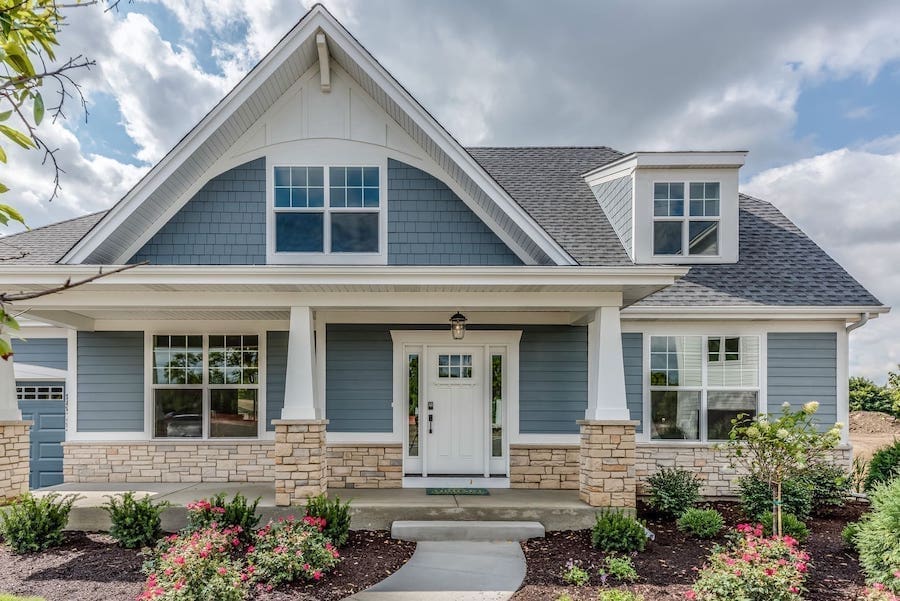
Walk around your home and look for:
- Visible cracks
- Holes or punctures
- Chipped edges
- Loose boards
- Missing caulk
- Paint deterioration
- Signs of moisture staining
- Warping or unusual movement
Pay special attention to areas around:
Catching damage early often allows for simpler repairs and helps prevent moisture-related issues.
How to Repair James Hardie Siding: Minor Crack Repairs
For small cracks and minor damage, repairs may be possible without replacing an entire board.
Step 1: Clean the Damaged Area
Begin by removing dirt, dust, and debris from the affected section.
Use:
- A soft brush
- Mild soap and water
- A clean cloth
Allow the area to dry completely before proceeding.
Step 2: Apply an Exterior-Grade Patch Material
Small cracks and chips can often be repaired using a high-quality exterior patching compound that is compatible with fiber cement products.
The patch material should:
- Adhere well to fiber cement
- Resist moisture
- Accept paint after curing
Carefully fill the damaged area according to manufacturer instructions.
Step 3: Smooth the Surface
After applying the patch:
- Use a putty knife to smooth the repair
- Remove excess material
- Match the surrounding texture as closely as possible
Proper finishing helps make the repair less noticeable after painting.
Step 4: Allow Proper Curing Time
Every repair product has its own curing requirements.
Avoid painting too soon. Follow the manufacturer’s recommendations to ensure proper adhesion and durability.
Step 5: Prime and Paint
Once cured:
- Prime if necessary
- Apply paint that matches the existing siding color
- Blend the repaired area with surrounding surfaces

A properly completed repair can significantly improve appearance while helping prevent moisture penetration.
Repairing Larger Holes in Fiber Cement Siding
Larger holes require a more extensive approach.
In many cases, attempting to fill a large hole with patching material alone may not provide a durable long-term solution. Structural integrity and weather resistance can be compromised.
For significant damage, professionals often recommend replacing the affected section of siding rather than performing a cosmetic repair.
Benefits of replacing damaged sections include:
- Restoring full weather protection
- Improving appearance
- Preventing future cracking
- Maintaining siding performance
If the hole extends through the board or affects a large area, replacement is typically the preferred solution.
When Board Replacement Is Necessary
Some damage simply cannot be repaired effectively.
Replacement is usually recommended when:
- Cracks are extensive
- Boards are broken
- Large sections are missing
- Water infiltration has occurred
- Multiple repairs already exist
- The board’s structural integrity is compromised
James Hardie siding is designed as a system, and replacing individual damaged boards often provides better long-term performance than repeated patching.
The Board Replacement Process
Professional siding contractors generally follow these steps:
- Remove surrounding trim or components if necessary.
- Carefully detach the damaged board.
- Inspect the underlying weather barrier.
- Repair any hidden moisture damage.
- Install a matching replacement board.
- Properly fasten and seal the new siding.
- Paint and finish as needed.
This process helps ensure the repaired area continues to perform like the rest of the siding system.
Challenges of DIY Fiber Cement Siding Repairs
Many homeowners consider repairing siding themselves. While minor cosmetic repairs may be manageable, larger repairs can present challenges.
Fiber Cement Requires Specialized Cutting
James Hardie products are dense and durable. Cutting replacement pieces typically requires specialized tools and proper dust-control measures.
Matching Existing Finishes Can Be Difficult
Even if the repair is structurally sound, achieving a seamless visual match can be challenging.
Factors include:
- Paint fading over time
- Texture variations
- Weather exposure differences
Improper Repairs Can Cause Moisture Problems
One of the biggest risks of DIY siding repairs is creating pathways for water intrusion.
Poorly sealed repairs may allow moisture behind the siding, potentially leading to:
- Mold growth
- Rot in adjacent materials
- Reduced energy efficiency
- More expensive future repairs
Hidden Damage May Be Missed
What appears to be a simple crack on the surface may actually indicate underlying issues.
Professional inspections often uncover:
- Water damage
- Improper flashing
- Installation defects
- Structural concerns
Addressing these problems early helps prevent larger repairs later.
Preventing Future Damage to James Hardie Siding
Although repairs are sometimes unavoidable, proper maintenance can help extend the life of your siding.
Maintain Landscaping
Keep shrubs, trees, and branches trimmed away from siding surfaces.
Benefits include:
- Reduced impact risk
- Improved airflow
- Better moisture control
- Easier inspections
Inspect After Severe Weather
After storms, check for:
- Cracks
- Chips
- Impact marks
- Loose boards
Early detection helps prevent small issues from becoming major repairs.
Keep Gutters Functioning Properly
Overflowing gutters can direct excessive water toward siding surfaces.
Regular gutter maintenance helps protect:
- Siding
- Trim
- Foundation components
Re-Caulk When Needed
Inspect caulk around:
- Windows
- Doors
- Trim joints
Replacing deteriorated caulk helps maintain a weather-tight exterior.
Wash Siding Periodically
Cleaning siding removes dirt, mildew, and debris that can affect appearance and performance.
Use gentle cleaning methods recommended for fiber cement products.
Repair vs. Replacement: Which Is More Cost Effective?
One of the most common questions homeowners ask is whether they should repair or replace damaged James Hardie siding.
Generally speaking:
Repair may be appropriate when:
- Damage is small
- The board remains structurally sound
- Moisture has not penetrated behind the siding
- Cosmetic issues are isolated
Replacement may be the better choice when:
- Damage is extensive
- Multiple cracks exist
- The board is broken
- Water intrusion is suspected
- Long-term durability is a priority
A professional evaluation can help determine the most practical and cost-effective solution for your specific situation.
Signs It’s Time to Call a Professional
While small cosmetic repairs may seem straightforward, some situations warrant expert assistance.
Consider contacting a siding professional if you notice:
- Cracks that continue to grow
- Large holes or broken sections
- Multiple damaged boards
- Water stains inside the home
- Loose siding panels
- Signs of rot around trim or sheathing
- Damage following severe weather
Professional contractors have the tools, experience, and product knowledge necessary to restore your home’s exterior properly.
Trust Aztec Homes for James Hardie Siding Repairs and Replacement
Understanding how to repair James Hardie siding starts with identifying the type and extent of damage. Small cracks and chips can often be repaired successfully, while larger holes, broken boards, and moisture-related issues typically require professional replacement.
At Aztec Homes, we specialize in evaluating, repairing, and replacing fiber cement siding to help homeowners protect their investment and maintain curb appeal. Our experienced team understands the proper installation methods, repair techniques, and best practices needed to ensure your siding continues performing as intended.
If you’ve noticed cracks, holes, loose panels, or other signs of siding damage, contact Aztec Homes online or call 317-769-3237 today. We’ll inspect your exterior, recommend the right solution, and help restore the beauty and protection of your James Hardie siding.