
Why Fire-Resistant Siding Matters
When homeowners consider a siding replacement, appearance, durability, and maintenance are usually top priorities. But fire-resistant siding options deserve consideration, too.
The exterior materials surrounding your home can influence how well the structure withstands exposure to flames, radiant heat, and airborne embers.
Choosing fire-resistant siding does not make a home fireproof, but selecting appropriate materials can be an important part of a broader home-hardening strategy. The National Fire Protection Association (NFPA) recommends ignition-resistant building materials as part of reducing wildfire risks around the home.
For homeowners considering a siding upgrade, the right material can provide an appealing combination of durability, curb appeal, and fire resistance. At Aztec Homes, Inc., we help homeowners throughout the Indianapolis area understand their siding choices and select materials that fit their home’s needs.
Explore our siding services or contact Aztec Homes, Inc. to discuss your project and request a free quote at 317-769-3237.
What This Guide Covers
- What makes siding fire resistant
- How Class A ratings work
- The best fire-resistant siding materials
- Why fiber cement is a popular choice
- How James Hardie siding can improve exterior fire resistance
- Other factors that influence a home’s overall fire protection
- How roofing and siding work together as part of a resilient exterior
- When professional siding replacement makes sense
What Is Fire-Resistant Siding?
Fire-resistant siding is siding designed or tested to resist ignition, flame spread, or heat exposure better than more combustible exterior materials. However, “fire resistant” does not mean completely immune to fire.
A home’s fire performance depends on much more than the siding itself. The wall assembly, insulation, sheathing, windows, roof, soffits, vents, landscaping, and nearby combustible materials can all affect how a fire reaches a structure.
This is particularly important in areas where wildfire exposure is a concern. NFPA guidance identifies the home’s immediate surroundings and construction materials as important parts of reducing ignition risk.
Understanding Fire Ratings
One term homeowners may encounter while researching fire-resistant house siding is Class A.
A Class A classification generally indicates the highest level of performance within the flame-spread classification system used in ASTM E84 testing. However, homeowners should not assume that a Class A material automatically means an entire wall assembly is fireproof.
There is an important distinction between:
- Material fire performance: How an individual siding product responds to fire testing.
- Fire-rated wall assembly: How multiple components perform together as a complete wall system.
- Wildfire resistance: How the home performs against real-world exposure such as embers, radiant heat, and flames.
For that reason, always review the manufacturer’s technical documentation and local building requirements rather than choosing a product based solely on a rating label.
Best Fire-Resistant Siding Options
There are several fire-resistant siding materials homeowners can consider. The right option depends on the home’s architecture, budget, maintenance expectations, local requirements, and desired level of fire resistance.
1. Fiber Cement Siding
Fiber cement is one of the most popular choices for homeowners looking for siding that is fire resistant without sacrificing design flexibility.
James Hardie, one of the leading fiber cement siding manufacturers, states that its fiber cement products are noncombustible and/or have a Class A fire rating when tested according to applicable standards.
Fiber cement is manufactured from cementitious materials and reinforcing fibers, creating a dense exterior product that does not provide fuel to a fire in the same way as combustible siding materials.
Other advantages include:
- Strong resistance to moisture and rot
- Resistance to pests
- A wide variety of profiles and textures
- Options that mimic traditional wood siding
- Low-maintenance performance
- Long-lasting curb appeal
For homeowners searching for fireproof siding for homes, fiber cement is worth considering, but it is more accurate to call it noncombustible or fire resistant rather than completely fireproof.
Learn more about the different James Hardie siding styles available for your home’s exterior.
2. Brick and Masonry
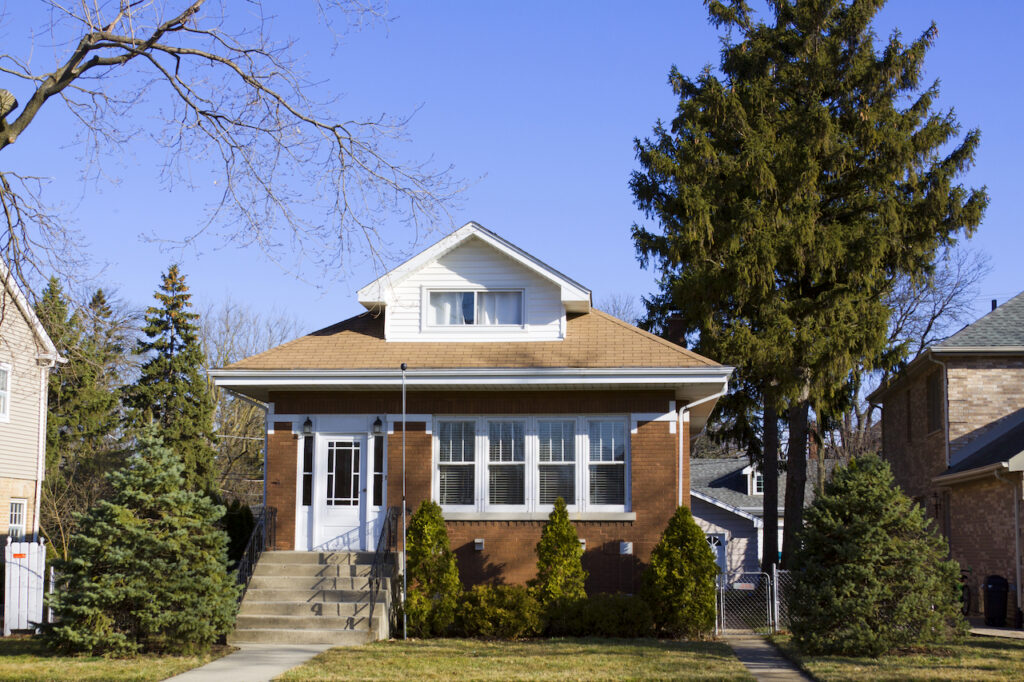
Brick is another long-established option when homeowners are evaluating fire-resistant house siding. Masonry materials are noncombustible and can provide strong resistance to direct flame exposure.
Brick also offers several aesthetic benefits:
- Classic curb appeal
- Long service life
- Minimal routine maintenance
- Strong resistance to weather
- Noncombustible construction
The tradeoff is that brick may have a substantially different installation process and appearance than traditional siding. It may also involve higher material and labor costs depending on the project.
For homeowners who want the appearance and flexibility of traditional siding while prioritizing fire resistance, fiber cement may offer a more versatile alternative.
3. Stucco
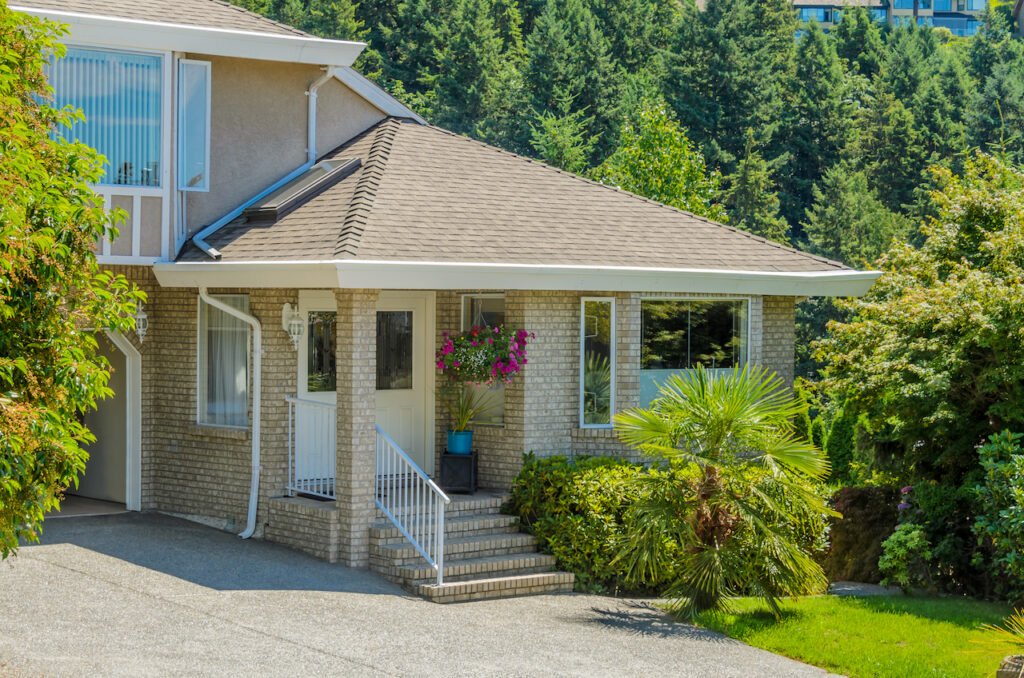
Stucco is another exterior finish that can provide strong fire resistance when properly installed as part of an appropriate wall system.
Its cement-based composition makes it a useful option for homeowners interested in fire-resistant siding materials. Stucco can also create a smooth, seamless appearance that works particularly well with Mediterranean, Southwestern, contemporary, and other architectural styles.
However, performance depends heavily on proper installation and the complete wall assembly. Cracks, moisture intrusion, or improper detailing can affect the long-term performance of any exterior system.
4. Fire-Retardant-Treated Wood
Wood is naturally combustible, but specially treated wood products can be manufactured or treated to improve fire performance.
This option may appeal to homeowners who want a traditional wood appearance while adding an additional level of fire resistance. However, homeowners should carefully review the specific product’s testing, treatment requirements, maintenance needs, and installation instructions.
A product being described as “fire retardant” does not necessarily mean it provides the same performance as a noncombustible material. Always compare the actual test results and ratings before making a decision.
Why James Hardie Is a Strong Fire-Resistant Siding Choice
For many homeowners, the combination of fire resistance, durability, and design flexibility makes fiber cement particularly attractive.
James Hardie states that its fiber cement siding is noncombustible and will not ignite when exposed to a direct flame. The company also notes that its products can achieve a Class A fire rating under ASTM E84 testing, depending on the specific product and application.
That makes James Hardie an excellent option to consider when researching fire-resistant siding.
James Hardie Siding Offers Design Flexibility
Fire-resistant materials do not have to look industrial or plain. James Hardie siding is available in numerous profiles and textures, including:
- Lap siding
- Vertical panel siding
- Shake and shingle styles
- Board-and-batten looks
- Architectural panels
- Smooth and wood-grain textures
That flexibility allows homeowners to prioritize siding that is fire resistant while still creating an exterior that complements the home’s architecture.
If you’re deciding between different styles, our guide to James Hardie siding styles can help you compare profiles and textures.
You can also explore James Hardie siding colors for 2026 for inspiration.
Class A Siding: What Homeowners Should Know
Class A siding is a phrase homeowners may see when researching fire-resistant products, but it is important to understand exactly what the classification means.
ASTM E84 evaluates characteristics such as flame spread and smoke development under standardized laboratory conditions. A Class A classification represents the highest category in that particular flame-spread classification system.
However, Class A siding should not be interpreted as a guarantee that a house cannot catch fire.
Fire can enter a home through vulnerable areas such as:
- Roof edges and eaves
- Vents
- Windows
- Doors
- Gaps and penetrations
- Decks and other attached structures
- Accumulated leaves, debris, or combustible materials
NFPA specifically recommends considering ignition-resistant exterior materials along with maintenance and defensible-space measures.
In other words, siding is one piece of a much larger fire-resistance strategy.
Fireproof Siding for Homes: Is There Such a Thing?
Homeowners searching for fireproof siding for homes should know that no siding product can guarantee complete protection from fire.
Even noncombustible siding cannot eliminate the possibility of fire entering a structure through another vulnerable component. Applied coatings, adjacent materials, installation details, and the surrounding environment can also affect performance.
James Hardie specifically explains that its fiber cement products are noncombustible and/or Class A rated under applicable testing, while also noting that fire resistance does not necessarily extend to applied paints or coatings.
A better way to approach the decision is to ask:
“Which siding system can provide the level of fire resistance, durability, and performance appropriate for my home?”
That question leads to a much more useful comparison than simply looking for “fireproof” siding.
Fire-Resistant Siding Options Are Only Part of Home Hardening
Choosing fire-resistant siding options is an important step, but homeowners should also consider the rest of the exterior.
NFPA recommends looking at the home’s immediate surroundings and using ignition-resistant materials as part of a comprehensive approach to wildfire risk reduction.
Keep Combustible Materials Away From the Home
Leaves, pine needles, firewood, outdoor furniture, and other combustible materials can create additional hazards when stored directly against the exterior.
Regular maintenance can help reduce these risks. Our guide to properly maintaining your home’s siding covers practical ways to protect your exterior year-round.
Pay Attention to Soffits and Eaves
Siding isn’t the only exterior component that matters. Eaves and soffits can provide pathways for heat and embers to reach vulnerable areas of a home.
When planning a siding replacement, homeowners should consider how the siding, trim, soffits, flashing, and other exterior components work together.
Don’t Overlook the Roof
The roof is another critical part of a home’s exterior fire-resistance strategy. NFPA identifies the roof as particularly vulnerable to wildfire embers.
Aztec Homes, Inc. also provides roofing solutions using GAF products. GAF offers roofing products that can meet Class A fire classifications when installed as specified.
While roofing and siding serve different purposes, evaluating both together can help homeowners create a more comprehensive exterior protection plan.
How to Choose the Right Fire-Resistant Siding
The best fire-resistant siding materials are not necessarily the same for every home. Consider these factors before making your selection:
1. Look Beyond the Marketing
Ask for actual testing information and product documentation. Terms such as “fire resistant,” “noncombustible,” and “Class A” can describe different aspects of performance.
2. Consider the Complete Wall Assembly
Siding works as part of a larger exterior system. Sheathing, weather barriers, insulation, framing, flashing, trim, and installation methods can all affect performance.
3. Think About Your Local Environment
Indianapolis-area homeowners need to consider more than fire resistance when selecting exterior materials. Seasonal temperature changes, humidity, heavy rain, wind, and freeze-thaw cycles can all affect siding performance.
4. Balance Safety With Appearance
There is no reason to sacrifice curb appeal when choosing fire-resistant house siding. Fiber cement products such as James Hardie offer multiple styles, textures, and colors that allow homeowners to create a customized exterior.
5. Work With an Experienced Installer
Even high-performance siding depends on proper installation. Incorrect fastening, flashing, clearances, or detailing can undermine the performance of an otherwise excellent product.
Aztec Homes, Inc. can help homeowners evaluate whether repair or replacement makes sense and select a siding system appropriate for the property.
Signs It May Be Time to Replace Your Siding
If you’re considering an upgrade specifically for fire resistance, it may also be a good time to evaluate the condition of your current exterior.
Signs that replacement may be appropriate include:
- Cracked or damaged siding
- Warping or deterioration
- Moisture damage
- Rot or soft areas
- Loose or missing sections
- Extensive fading
- Repeated repairs
- Siding that has reached the end of its expected service life
Our guide to how to identify siding damage explains what homeowners should watch for and when repairs may no longer be the best long-term solution.
Choose Fire-Resistant Siding With Aztec Homes
Choosing among fire-resistant siding options is about more than finding a product with a promising label. Homeowners should consider the material’s actual fire performance, the complete wall assembly, installation requirements, maintenance needs, local conditions, and the overall design of the home.
For many homeowners, James Hardie fiber cement siding offers an attractive combination of noncombustible performance, durability, low maintenance, and design flexibility. Aztec Homes, Inc. is a James Hardie Elite Preferred Installer, and our team can help you compare options and determine whether siding replacement is right for your home.
From selecting a siding style to planning installation, our team is here to make the process straightforward. Learn more about Aztec Homes, Inc. siding replacement services or explore our siding contractor services.
Ready to upgrade your home’s exterior with durable, fire-resistant siding? Contact Aztec Homes, Inc. today for a free quote, or call 317-769-3237 to speak with our team about your project.
Fire-Resistant Siding Options: Frequently Asked Questions
What is the most fire-resistant siding material?
Fiber cement is one of the most commonly considered fire-resistant siding materials because products such as James Hardie fiber cement are noncombustible and can carry a Class A rating under applicable testing. Brick and stucco are also recognized as fire-resistant exterior options. The best choice depends on the complete wall assembly and the specific product.
What is Class A siding?
Class A siding generally refers to siding that achieves the highest classification for flame-spread performance under the applicable testing system. Homeowners should review the manufacturer’s documentation because a material rating is not necessarily the same as a fire-resistance rating for an entire wall assembly.
Is there fireproof siding for homes?
There is no siding that can make a home completely fireproof. When homeowners search for fireproof siding for homes, they are generally looking for noncombustible or highly fire-resistant materials. Fiber cement, brick, and stucco are examples worth considering.
What makes siding fire resistant?
The material’s combustibility, density, construction, testing, and installation all contribute to fire performance. Siding that is fire resistant can help reduce ignition or flame spread, but it should be viewed as one part of a complete exterior protection strategy.
Can fire-resistant siding prevent a house fire?
No. Even fire-resistant siding cannot prevent every type of fire damage. Embers can enter through vents and openings, while flames can reach the home through roofs, windows, decks, landscaping, and other components. A comprehensive approach is more effective than relying on one material.